Sunday, 10 November 2013

Where do all the harlequin ladybirds go for the winter?

This morning I noticed a massive clump of harlequin ladybirds, all together there were about 100 and they were all different interesting colours and patterns.
In the late Autumn and early winter it's very likely you'll see large amounts of ladybirds huddled together, sometimes thousands. The ladybugs hibernate throughout the winter and different species hibernate in different places. Some under tree bark, in houses, under windows and under leafs etc. They will now be sleeping through until March to April which is when the aphids are around for them to eat and survive on. In the winter there aren't any around and this is why they go into hibernation, where they can survive.
Here are some of the photos I took.


My local newspaper appearance.

After all of the BBC Autumnwatch excitement a few weeks back, I had an e-mail from a local newspaper reporter (for the Lichfield Mercury) asking me questions so that a story could be put together about myself and Kate MacRae (WildlifeKate), who also had an appearance on Autumnwatch.
I had my photo on the front page and on page 3 where some of my badger footage screenshots were featured along with some of Kate's wildlife photos. We also featured on the Mercury website.
You can read more about it on the Mercury website - http://www.lichfieldmercury.co.uk/Wildlife-films-Georgia-Kate-TV-spotlight/story-20044389-detail/story.html

 
 Our section in the paper.
Myself on the front page.
A screenshot of the Lichfield Mercury website with us as the main story.


Sunday, 3 November 2013

A visit to Kate MacRae's patch.

After last weeks Autumnwatch excitement, I was invited by Kate MacRae (WildlifeKate) to her patch to get some photos of ourselves to go into our local newspaper. Not only did we get some photos but she also showed me around her patch where I saw some of the cameras and bird feeders she has out, which was brilliant! It was all very interesting and you can check out some of her stuff out on her website which is http://wildlifekate.co.uk/
Here are some of the photographs we took.

 Myself and Kate.
 The view out of her hub.
 
 The famous Prickly Diner!
Kate and myself in her hub.

Saturday, 2 November 2013

My Autumnwatch Excitement!

A few weeks ago I had an e-mail from a BBC Autumnwatch researcher asking if they could use some of my badger footage on one of their Unsprung programs. Although my footage wasn't shown the night it was scheduled, because they ran out of time, it was shown on Wednesday night. A few hours before the show on Wednesday I had another e-mail from an Autumnwatch producer saying they would be showing my footage on that nights show and one of the presenters, Nick Baker, thought it was brilliant!
Also, earlier that day on Autumnwatch Extra one of my fungi photos was discussed.

The photograph they discussed, Witches Butter.

Sunday, 20 October 2013

A day out in Derbyshire.

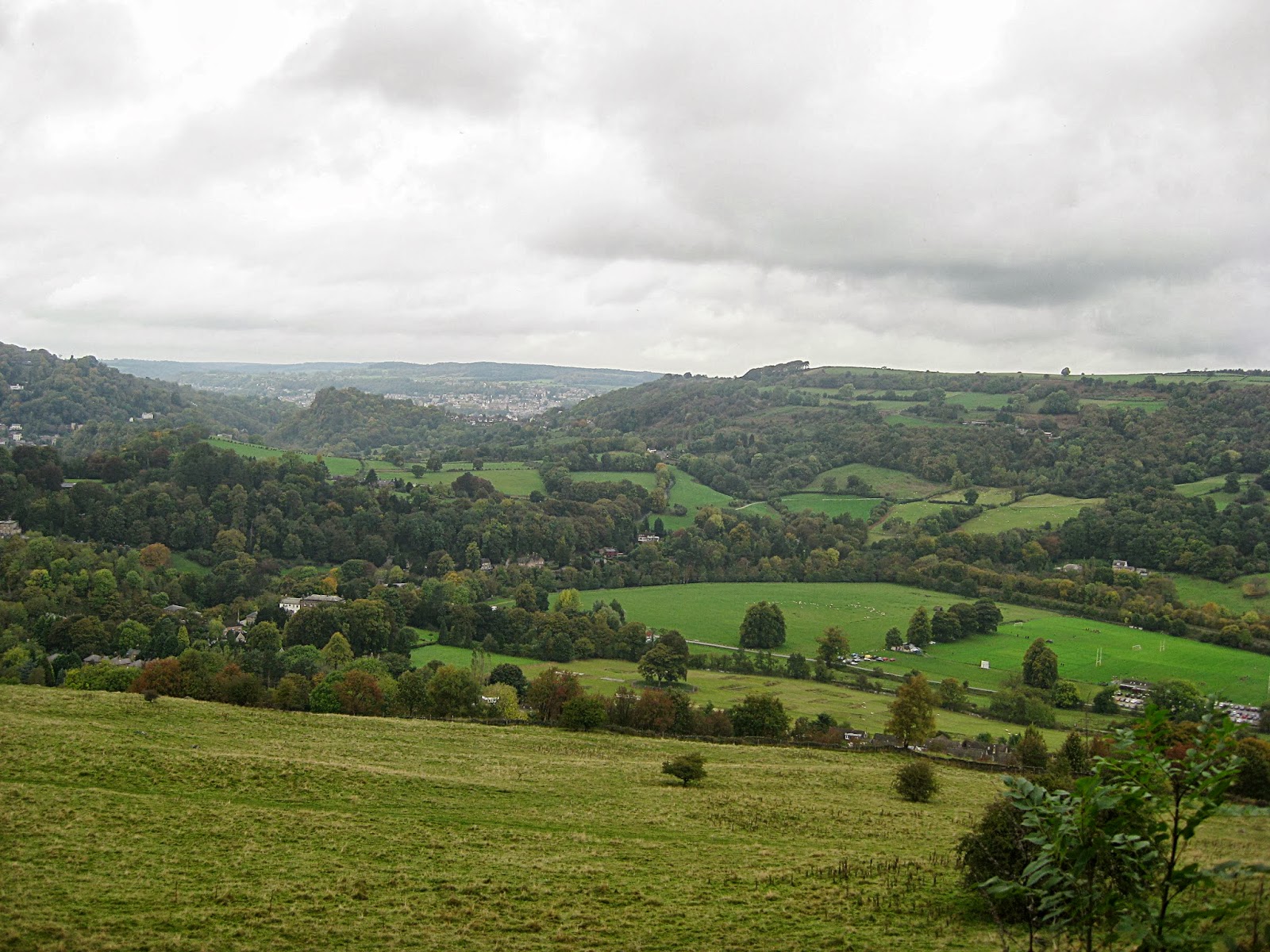
Yesterday, taking advantage of what could be the last nice day this year I caught the train to Matlock Bath, then walked to Belper along the High Peak Trail and Cromford Canal. On my walk, I found a variety of unusual fungi and waterfowl amongst the scenic views. Here are some of the photos I took.

It was a very foggy start in Matlock. 
 A ruined building on the Via Gellia.

 There were lots of photogenic Little Grebes along the Cromford Canal.


Middleton Top Engine House.


 Views from the High Peak Trail.


A bridge on the Cromford Canal.
 The National Hen Racing in Bonsall.
 Some Jelly Fungus.


Sunday, 13 October 2013

Batting for East Staffordshire.

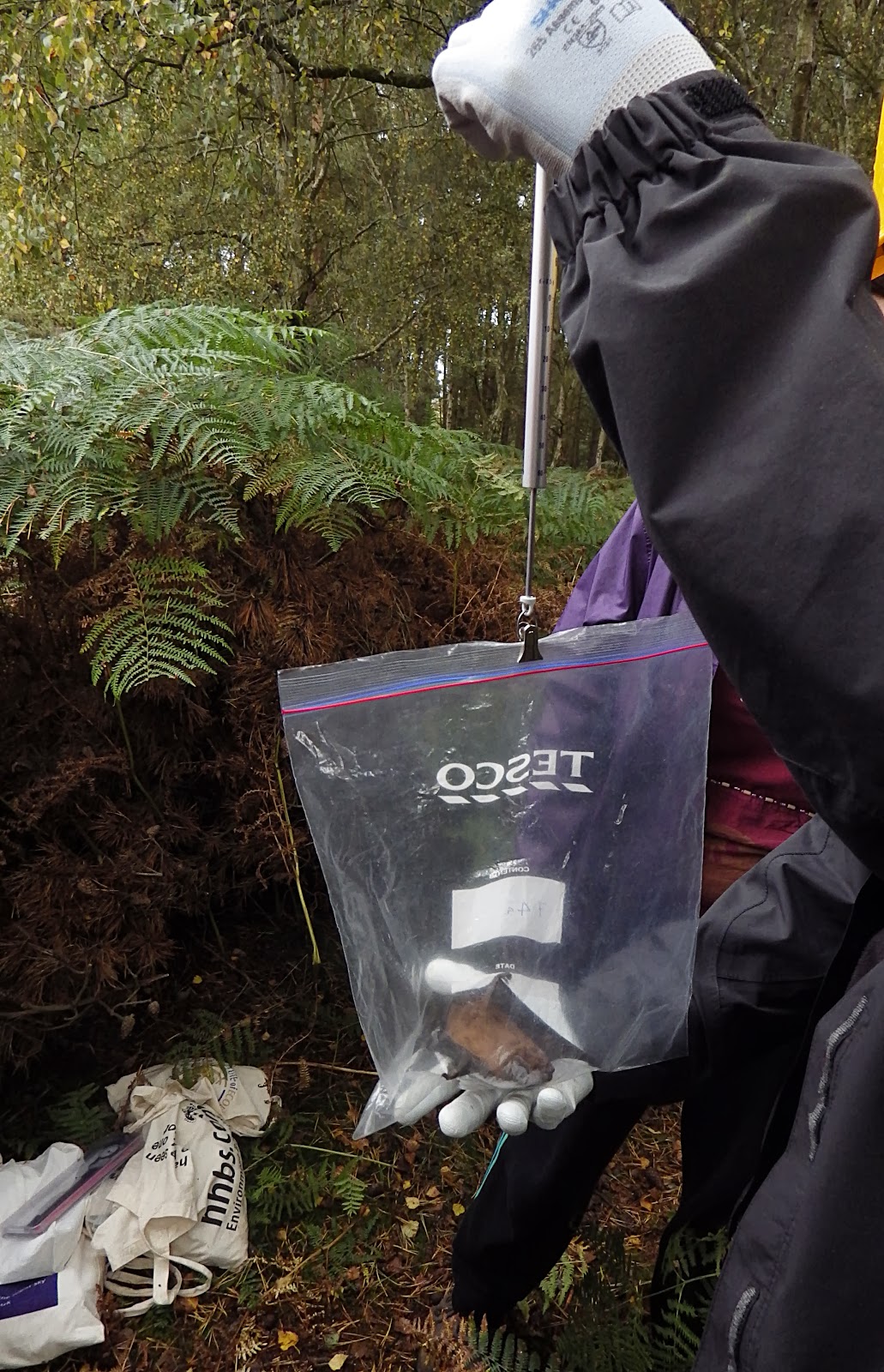
Last Saturday, I was invited on a census with the East Staffordshire Bat group. Altogether we counted about thirty bats which consisted of five Noctule, eight Pipistrelle and twenty Natterer's bats. The group count bats in the same location twice a year and this was a very good turn out, as in the Spring they didn't count any at all. In the UK there are 17 species of resident bats and it is important that surveys like this are done so there is an understanding of how well bats are doing and if they need any help. I also saw a lot of wildlife and here are some photographs I took of the bats and the group carrying out the survey.
Here is a link to the West Midlands bat groups -  http://www.westmidsbats.org.uk/

 Bats being taken out one of the boxes.

 A Noctule bat having a good stretch!
 Some of the bat boxes.
 A Noctule bat.


 A Noctule having its wing measured.
 Dusters were put into the bottom of the boxes when people were
looking in.


 Another Noctule bat.
 Here's a empty birds nest which was found in one of the bat box. A wasp nest was also 
found in one of the boxes.
 A Natterer's bat.
 Weighing a Noctule bat.